
Health insurance is one of the most important financial tools in modern life, yet it is also one of the most misunderstood. Many people see health insurance as an unnecessary expense until a medical emergency strikes. In reality, health insurance is not just about paying hospital bills—it is about protecting your income, your family, and your future.
This article explains health insurance plans in simple language so anyone can understand how they work, why they matter, and how to choose the right one.
1. What Is Health Insurance?
Health insurance is a contract between you and an insurance company. You pay a regular amount of money (called a premium), and in return, the insurer helps cover your medical expenses when you get sick, injured, or need treatment.
Instead of paying huge hospital bills at once, you share the cost with the insurance company.
In simple terms:
- You pay small amounts regularly.
- The insurer pays large medical bills when needed.
This is the core idea of health insurance.
2. Why Health Insurance Is Important
a) Protection from High Medical Costs
Medical bills can destroy savings within days. A single surgery or hospital stay can cost more than years of income. Health insurance prevents financial shock.
b) Access to Better Healthcare
With insurance, you are more likely to visit hospitals early instead of delaying treatment due to cost. Early treatment saves lives and money.
c) Financial Stability
Health insurance protects your income and prevents debt. Without it, many families fall into poverty after medical emergencies.
d) Peace of Mind
Knowing that medical expenses are covered reduces stress and fear about the future.
3. Key Terms Explained Simply
Understanding these basic terms makes health insurance easy to grasp.
Premium
The amount you pay regularly (monthly or yearly) to keep your insurance active.
Example: If you pay $20 every month, that is your premium.
Coverage
The medical services your insurance plan will pay for.
Examples:
- Doctor visits
- Hospitalization
- Surgery
- Drugs
- Maternity care
Deductible
The amount you must pay before the insurance company starts paying.
Example:
If your deductible is $100 and your hospital bill is $500, you pay $100 first, then the insurer pays the rest.
Co-payment (Co-pay)
A small amount you pay each time you use medical services.
Example:
You pay $5 to see a doctor, while the insurer pays the rest.
Claim
A request you make to the insurance company to pay your medical bill.
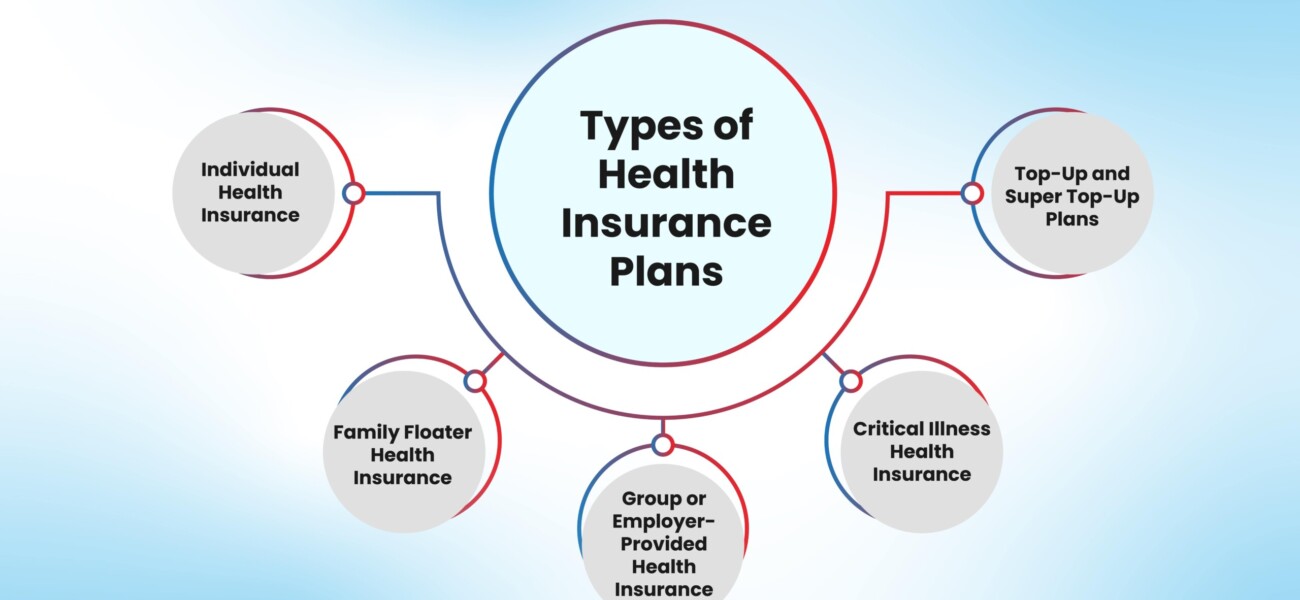
4. Types of Health Insurance Plans
1) Individual Health Insurance
This plan covers only one person.
Best for:
- Single individuals
- Self-employed people
- Freelancers
2) Family Health Insurance
This plan covers multiple family members under one policy.
Best for:
- Parents and children
- Married couples
Advantage:
Cheaper than buying separate plans for each person.
3) Employer-Sponsored Health Insurance
Companies provide health insurance for employees.
Best for:
- Workers in organizations
- Corporate employees
Advantage:
The employer often pays part of the premium.
4) Government Health Insurance
Provided by governments to support citizens.
Examples:
- National health insurance schemes
- Social health programs
Best for:
- Low-income individuals
- Vulnerable groups
5) Private Health Insurance
Offered by private insurance companies with flexible benefits.
Best for:
- People who want better coverage
- High-income earners
5. What Health Insurance Usually Covers
Most standard health insurance plans cover:
- Doctor consultations
- Hospital stays
- Surgery
- Prescription drugs
- Emergency treatment
- Maternity care
- Laboratory tests
- Preventive check-ups
Some advanced plans also cover:
- Dental care
- Eye care
- Mental health services
- Chronic disease treatment
6. What Health Insurance May Not Cover
Not all medical expenses are covered. Common exclusions include:
- Cosmetic surgery (unless medically necessary)
- Injuries from illegal activities
- Pre-existing conditions (in some plans)
- Experimental treatments
Always read the policy details carefully.
7. How to Choose the Right Health Insurance Plan
Choosing the right plan is about balancing cost and coverage.
a) Understand Your Needs
Ask yourself:
- Do I have a family?
- Do I have chronic health issues?
- How often do I visit hospitals?
b) Compare Coverage, Not Just Price
Cheap plans may offer limited benefits. A slightly expensive plan may save you more money in emergencies.
c) Check Hospital Network
Ensure the insurance covers hospitals near you.
d) Understand the Terms
Know the deductible, co-pay, and exclusions before signing up.
e) Consider Long-Term Value
A good health insurance plan is not an expense—it is an investment in your future.
8. Health Insurance as a Financial Strategy
Many people think health insurance is only about health, but it is also a powerful financial tool.
a) Protects Your Savings
Without insurance, medical bills can wipe out your savings.
b) Prevents Debt
Many families borrow money to pay hospital bills. Insurance reduces this risk.
c) Supports Wealth Building
When your money is not spent on emergencies, you can invest in business, real estate, or education.
In this way, health insurance indirectly supports wealth creation.
9. Common Myths About Health Insurance
Myth 1: “I am young, I don’t need insurance.”
Truth: Accidents and illnesses can happen at any age.
Myth 2: “Health insurance is too expensive.”
Truth: Medical emergencies are far more expensive than premiums.
Myth 3: “I will never use it.”
Truth: Insurance is not about frequent use; it is about protection when you need it most.
Myth 4: “Government hospitals are enough.”
Truth: Public healthcare systems are often overcrowded and limited. Insurance gives you more options.
10. The Future of Health Insurance
As healthcare costs continue to rise, health insurance will become even more important. Digital health insurance platforms, mobile apps, and AI-driven healthcare systems are making insurance easier to access and manage.
In the future, people without health insurance may face serious financial and health risks.
Health insurance is not a luxury; it is a necessity. It protects your health, your money, and your future. Understanding how health insurance works empowers you to make smarter financial decisions and avoid devastating medical expenses.
In simple terms, health insurance is not about preparing for sickness—it is about securing your life against uncertainty.
If you want financial stability and peace of mind, health insurance is one of the smartest decisions you can make.