
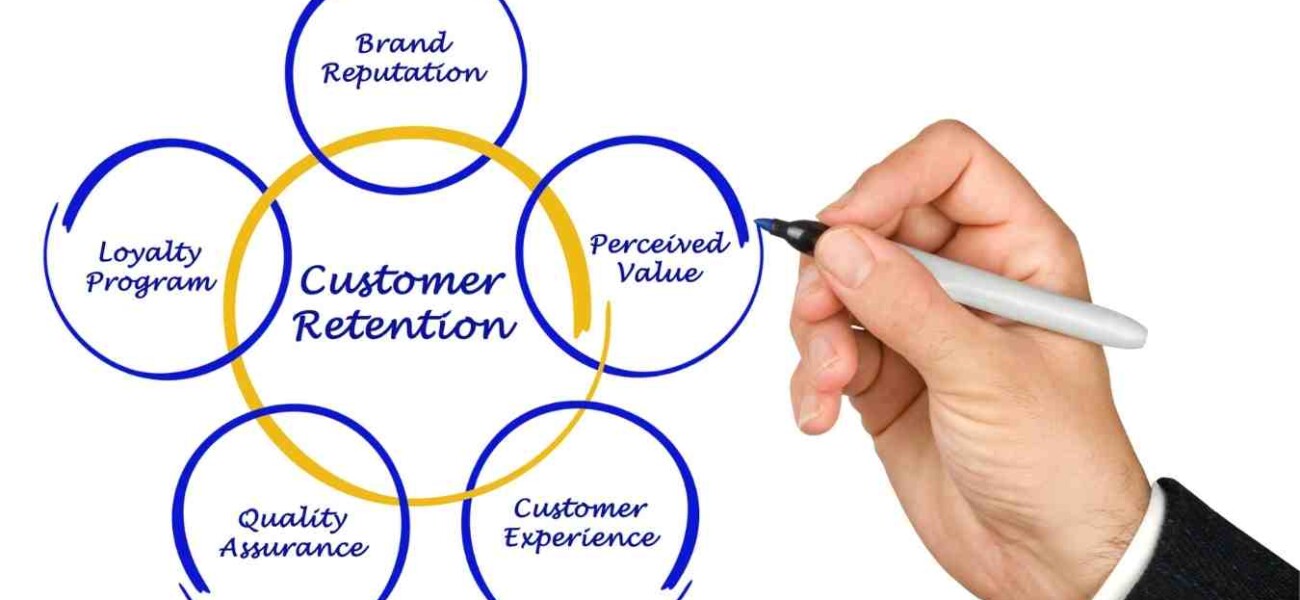
The Ultimate Guide to Keeping Customers for Life
Why Customer Retention Is More Powerful Than Customer Acquisition
In the modern business world, companies often obsess over acquiring new customers. They spend huge budgets on advertising, promotions, and social media campaigns to attract attention. While customer acquisition is important, it is not the true engine of sustainable growth.
The real power of business lies in customer retention—the ability to keep customers loyal, engaged, and continuously connected to a brand.
Studies across industries show that retaining existing customers is significantly cheaper than acquiring new ones. Loyal customers spend more, refer others, forgive mistakes more easily, and become long-term brand ambassadors. Yet, many businesses fail to design deliberate systems to keep customers.
Customer retention is not accidental. It is strategic, psychological, emotional, and operational.
This guide explores customer retention not as a single tactic but as a complete system of relationship-building, value creation, and trust engineering.
1. Understanding Customer Retention Beyond Loyalty
Many people confuse customer retention with customer loyalty. While related, they are not identical.
- Customer retention refers to a customer’s decision to continue doing business with a company.
- Customer loyalty refers to emotional attachment and preference for a brand.
A customer may be retained because switching is inconvenient, but not emotionally loyal. Conversely, a loyal customer may actively promote a brand even when alternatives exist.
Effective retention strategies aim to create both behavioral retention and emotional loyalty.
2. The Economics of Customer Retention
To understand why retention matters, it is important to examine its economic impact.
2.1 Cost Efficiency
Acquiring new customers often involves marketing costs, discounts, onboarding expenses, and time. Retaining existing customers requires fewer resources because the relationship already exists.
2.2 Lifetime Value (LTV)
Customer Lifetime Value measures the total revenue a business earns from a customer over time. Increasing retention directly increases LTV.
For example:
- A customer who buys once generates limited revenue.
- A customer who buys repeatedly over five years generates exponential value.
Retention transforms one-time buyers into long-term assets.
2.3 Profitability
Existing customers are more likely to purchase premium products, accept price increases, and try new offerings. This makes retention one of the most profitable growth strategies.
3. Psychological Foundations of Customer Retention
Customer retention is deeply rooted in psychology.
3.1 Trust
Trust is the foundation of retention. Customers stay with brands they trust. Trust is built through consistency, transparency, and reliability.
3.2 Emotional Connection
People do not just buy products; they buy experiences and emotions. Brands that evoke positive emotions create stronger bonds.
3.3 Habit Formation
Repeated interactions create habits. When customers habitually use a product or service, switching becomes psychologically difficult.
3.4 Identity and Belonging
Some brands become part of a customer’s identity. Customers stay because the brand reflects who they are or aspire to be.
Understanding these psychological drivers is crucial for designing effective retention strategies.
4. Customer Retention vs Customer Acquisition: Strategic Balance
Many businesses focus disproportionately on acquisition. However, sustainable growth requires a balance between acquisition and retention.
- Acquisition brings new customers into the system.
- Retention keeps them in the system.
- Expansion increases their value within the system.
A business that focuses only on acquisition leaks customers like a broken bucket. Retention repairs the bucket.
5. The Customer Lifecycle and Retention Opportunities
Customer retention strategies must align with the customer lifecycle.
5.1 Awareness Stage
At this stage, customers are discovering the brand. Retention begins with first impressions.
5.2 Onboarding Stage
The onboarding experience determines whether customers will stay. Poor onboarding leads to early churn.
5.3 Engagement Stage
Customers begin to interact regularly with the product or service. Engagement strategies are crucial here.
5.4 Loyalty Stage
Customers develop attachment and preference for the brand.
5.5 Advocacy Stage
Customers become promoters who recommend the brand to others.
Retention strategies must be tailored to each stage.
6. Core Principles of Effective Customer Retention
All successful retention strategies share certain principles.
6.1 Consistent Value Delivery
Customers stay when they consistently receive value. Value is not static; it must evolve with customer needs.
6.2 Personalization
Generic experiences feel impersonal. Personalized experiences increase emotional connection.
6.3 Convenience
Customers prefer brands that simplify their lives. Convenience is a powerful retention factor.
6.4 Communication
Regular, meaningful communication keeps customers engaged and informed.
6.5 Feedback Integration
Customers feel valued when their feedback is acknowledged and implemented.
7. Product Excellence as the First Retention Strategy
No retention technique can compensate for a poor product.
7.1 Quality Consistency
Customers expect consistent quality. Inconsistency erodes trust.
7.2 Continuous Improvement
Products must evolve with changing customer expectations.
7.3 User Experience (UX)
A seamless user experience increases satisfaction and reduces churn.
Retention begins with product excellence.
8. Exceptional Customer Service as a Retention Engine
Customer service is one of the most powerful retention tools.
8.1 Responsiveness
Quick responses signal respect and reliability.
8.2 Empathy
Customers stay with brands that understand their problems.
8.3 Problem Resolution
Effective problem-solving turns negative experiences into positive ones.
8.4 Proactive Support
Anticipating customer needs strengthens relationships.
Customer service transforms transactions into relationships.
9. Relationship Marketing: From Transactions to Connections
Traditional marketing focuses on transactions. Retention-focused marketing emphasizes relationships.
9.1 Long-Term Engagement
Retention marketing prioritizes long-term interaction rather than one-time sales.
9.2 Community Building
Brands that create communities increase customer attachment.
9.3 Storytelling
Stories humanize brands and deepen emotional connections.
9.4 Values Alignment
Customers prefer brands whose values align with their own.
Relationship marketing shifts the focus from selling to connecting.
10. Loyalty Programs That Actually Work
Many businesses implement loyalty programs, but few design them effectively.
10.1 Reward Structure
Rewards must be meaningful and attainable.
10.2 Emotional Rewards
Beyond discounts, emotional recognition increases loyalty.
10.3 Gamification
Points, levels, and challenges increase engagement.
10.4 Exclusivity
Exclusive benefits make customers feel special.
Effective loyalty programs create psychological investment.
11. Personalization as a Retention Strategy
Personalization transforms generic experiences into memorable ones.
11.1 Data-Driven Personalization
Analyzing customer data enables tailored experiences.
11.2 Behavioral Personalization
Understanding customer behavior improves recommendations.
11.3 Contextual Personalization
Delivering the right message at the right time increases relevance.
Personalization makes customers feel understood.
12. Communication Strategies for Retention
Communication is not about frequency but relevance.
12.1 Email Marketing
Targeted emails keep customers informed and engaged.
12.2 Social Media Interaction
Active engagement on social platforms strengthens relationships.
12.3 Content Marketing
Educational and inspirational content builds trust.
12.4 Feedback Loops
Two-way communication increases customer involvement.
Effective communication sustains long-term relationships.
13. Customer Experience (CX) as a Retention System
Customer experience encompasses every interaction with a brand.
13.1 Journey Mapping
Understanding the customer journey reveals retention opportunities.
13.2 Touchpoint Optimization
Improving key touchpoints reduces friction.
13.3 Emotional Moments
Creating positive emotional moments increases memorability.
Customer experience is the invisible architecture of retention.
14. Measuring Customer Retention
Retention must be measured to be improved.
Key metrics include:
- Retention rate
- Churn rate
- Customer lifetime value
- Repeat purchase rate
- Net promoter score (NPS)
Data-driven retention strategies outperform intuition-based approaches.
15. The Strategic Importance of Customer Retention in the Digital Age
In the digital economy, customers have unlimited choices. Switching costs are low, and competition is global.
Retention is no longer optional; it is a survival strategy.
Brands that fail to retain customers lose relevance, revenue, and reputation.