
The Science and Strategy of Controlling Money Instead of Being Controlled by It
Why Most People Fail at Budgeting
Budgeting is often misunderstood. Many people think budgeting means restricting their lifestyle, denying themselves enjoyment, or living in constant financial fear. Others believe budgeting is only for poor people or those struggling with money. As a result, they either avoid budgeting entirely or attempt it briefly and abandon it when it feels uncomfortable.
The truth is far more profound: budgeting is not about restriction; it is about control, clarity, and strategy. It is the foundation of financial freedom. Without a system to manage money, even high earners remain financially unstable. With the right budgeting system, even modest earners can build wealth.
Most people fail at budgeting because they use systems that do not match their psychology, income patterns, or lifestyle. A budgeting system that works is not universal; it is structured, flexible, and aligned with human behavior.
This guide explores budgeting not as a simple spreadsheet, but as a powerful financial architecture that transforms income into stability, growth, and wealth.
1. Understanding the Purpose of Budgeting Beyond Numbers
Before exploring systems, it is essential to understand why budgeting exists.
Many people see budgeting as a tool for tracking expenses. In reality, budgeting is a decision-making framework. It answers critical questions such as:
- Where is my money going?
- What should my money be doing?
- How much of my income is building my future?
- How much is disappearing into consumption?
Budgeting is not about controlling money alone; it is about controlling behavior.
Every financial outcome is a result of habits, priorities, and beliefs. A budgeting system that works must therefore address psychology, not just mathematics.
2. The Core Principles of Effective Budgeting Systems
All successful budgeting systems share certain fundamental principles, regardless of their structure.
2.1 Clarity Over Complexity
Many people design complicated budgets with dozens of categories, formulas, and tracking tools. These systems often fail because they are too complex to maintain.
A working budgeting system prioritizes clarity. It makes financial reality visible and understandable.
2.2 Automation Over Willpower
Willpower is unreliable. People who rely solely on discipline eventually fail. Effective budgeting systems use automation: automatic transfers, scheduled savings, and predefined allocations.
Automation turns good intentions into consistent action.
2.3 Flexibility Over Rigidity
Life is unpredictable. Rigid budgets break under pressure. Effective systems allow adjustments without collapsing.
Flexibility ensures sustainability.
2.4 Alignment With Goals
A budget without purpose is meaningless. Working systems connect daily spending to long-term goals: education, property, business, retirement, or freedom.
When budgeting is tied to purpose, it becomes motivating rather than restrictive.
3. The Traditional Budgeting Model and Its Limitations
The traditional budgeting model is simple:
Income − Expenses = Savings
This model assumes that savings are what remain after spending. Unfortunately, this logic is flawed.
Most people spend first and save whatever is left—which is often nothing. This model explains why many people earn money but never accumulate wealth.
A working budgeting system reverses this equation:
Income − Savings = Expenses
This shift is the foundation of modern financial strategy.
4. The Pay-Yourself-First System
4.1 Concept
The Pay-Yourself-First system prioritizes savings before spending. Instead of treating savings as optional, it treats savings as a fixed expense.
The moment income is received, a predetermined percentage is automatically transferred into savings or investment accounts.
4.2 Why It Works
This system works because it removes temptation. People adapt their lifestyle to the money they see, not the money they earn. When savings are removed first, spending naturally adjusts.
4.3 Structure
A simple structure might look like this:
- 20% → Savings and investments
- 50% → Essential expenses
- 30% → Lifestyle and discretionary spending
The percentages can be adjusted based on income level and goals.
4.4 Strengths
- Encourages consistent wealth building
- Reduces emotional spending
- Simple and sustainable
4.5 Limitations
- Difficult for people with unstable income
- Requires discipline at the beginning
Despite its challenges, the Pay-Yourself-First system is one of the most powerful budgeting frameworks ever created.
5. The 50/30/20 Budgeting System
5.1 Overview
The 50/30/20 system divides income into three major categories:
- 50% → Needs (rent, food, utilities, transport)
- 30% → Wants (entertainment, travel, lifestyle)
- 20% → Savings and investments
5.2 Why It Works
This system simplifies budgeting into three broad categories, making it easy to understand and maintain. It balances responsibility with enjoyment, preventing burnout.
5.3 Psychological Advantage
Many budgets fail because they ignore human desire for enjoyment. The 50/30/20 system legitimizes enjoyment while maintaining financial discipline.
5.4 Adaptability
For high earners, savings may increase to 30–40%. For low earners, needs may exceed 50%. The system is flexible, not rigid.
6. The Zero-Based Budgeting System
6.1 Concept
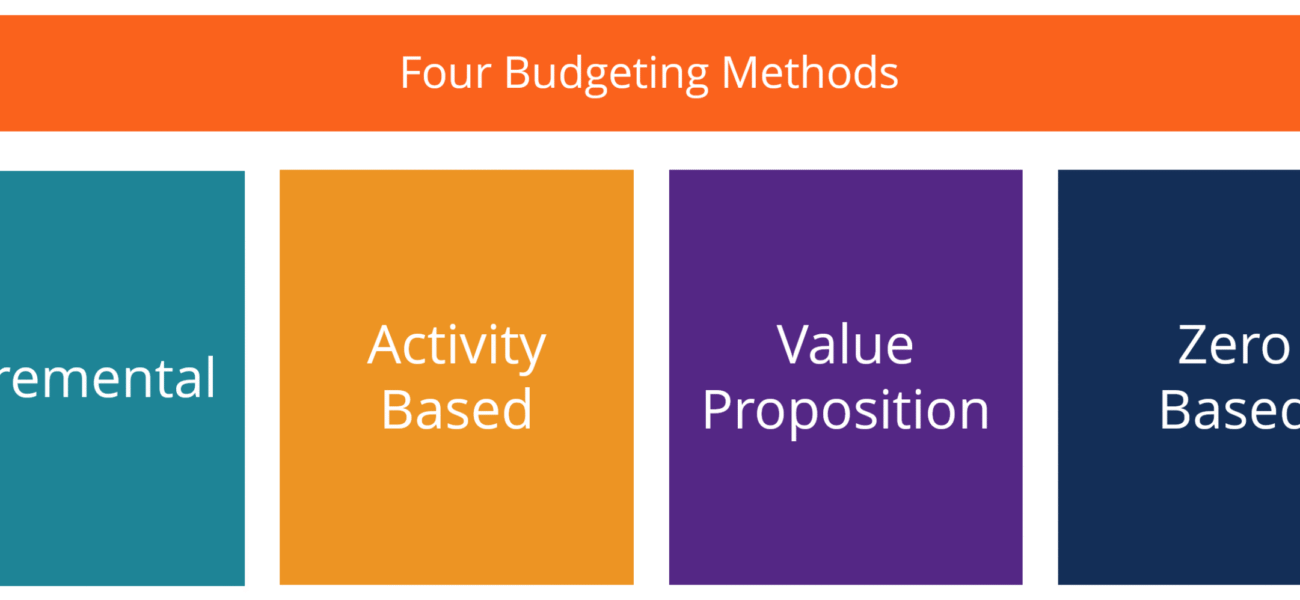
Zero-based budgeting assigns every unit of income a specific purpose. At the end of the budgeting process, income minus allocations equals zero.
This does not mean spending everything; it means every currency unit is intentionally assigned.
6.2 Example
If monthly income is $1,000:
- Rent: $300
- Food: $150
- Transport: $100
- Savings: $200
- Investments: $150
- Lifestyle: $80
- Emergency fund: $20
Total = $1,000
6.3 Why It Works
Zero-based budgeting eliminates financial ambiguity. Money is not left “unplanned,” which reduces impulsive spending.
6.4 Strengths
- High level of control
- Ideal for detail-oriented individuals
- Effective for debt reduction
6.5 Weaknesses
- Time-consuming
- Requires frequent adjustments
Despite its complexity, zero-based budgeting is highly effective for people who desire precision.
7. The Envelope Budgeting System
7.1 Concept
The envelope system allocates cash into physical or digital “envelopes” for specific categories. When an envelope is empty, spending in that category stops.
7.2 Modern Adaptation
In the digital age, envelopes can be replaced with separate bank accounts or budgeting apps.
7.3 Why It Works
The envelope system makes spending tangible. Seeing money disappear from an envelope creates psychological resistance to overspending.
7.4 Ideal Users
- People with impulsive spending habits
- Individuals struggling with credit card debt
- Those who prefer visual budgeting methods
8. The Anti-Budget System
8.1 Concept
The anti-budget system eliminates detailed tracking. Instead, it focuses on one rule: save a fixed amount and spend the rest freely.
8.2 Structure
- Automatically save a predetermined amount.
- Pay essential bills.
- Spend remaining money without guilt.
8.3 Why It Works
Many people abandon budgeting because it feels restrictive. The anti-budget system reduces friction while maintaining financial progress.
8.4 Risks
Without discipline, spending can escalate. Therefore, savings must be automated and non-negotiable.
9. Behavioral Economics and Budgeting
Budgeting systems succeed or fail based on human behavior. People are not rational with money; they are emotional.
Common psychological barriers include:
- Present bias (preferring immediate pleasure over future benefits)
- Loss aversion (fear of missing out)
- Social comparison (spending to impress others)
- Overconfidence (underestimating future expenses)
Effective budgeting systems anticipate these biases and design mechanisms to counter them.
For example:
- Automation counters procrastination.
- Separate accounts reduce temptation.
- Clear goals counter impulsive spending.
10. Budgeting in the Age of Digital Finance
Modern technology has transformed budgeting.
Apps, digital wallets, online banking, and AI-driven tools provide real-time insights into spending patterns. However, technology alone does not guarantee success.
The danger of digital finance is invisibility. When money is digital, spending feels less real. Effective budgeting systems must reintroduce awareness into digital transactions.
11. Budgeting for Different Income Types
11.1 Fixed Income Earners
Employees with stable salaries can use structured systems like 50/30/20 or zero-based budgeting.
11.2 Variable Income Earners
Freelancers, entrepreneurs, and gig workers require flexible systems. They must budget based on average income, not peak income.
11.3 High-Income Earners
High earners often fail financially because they inflate lifestyle expenses. Their budgeting systems must emphasize asset accumulation rather than consumption.
12. The Role of Budgeting in Wealth Creation
Budgeting is not just about survival; it is about strategy.
Without budgeting:
- Income disappears.
- Debt increases.
- Financial stress dominates life.
With budgeting:
- Savings grow.
- Investments multiply.
- Financial independence becomes achievable.
Every wealthy individual or family operates a budgeting system, whether consciously or unconsciously.